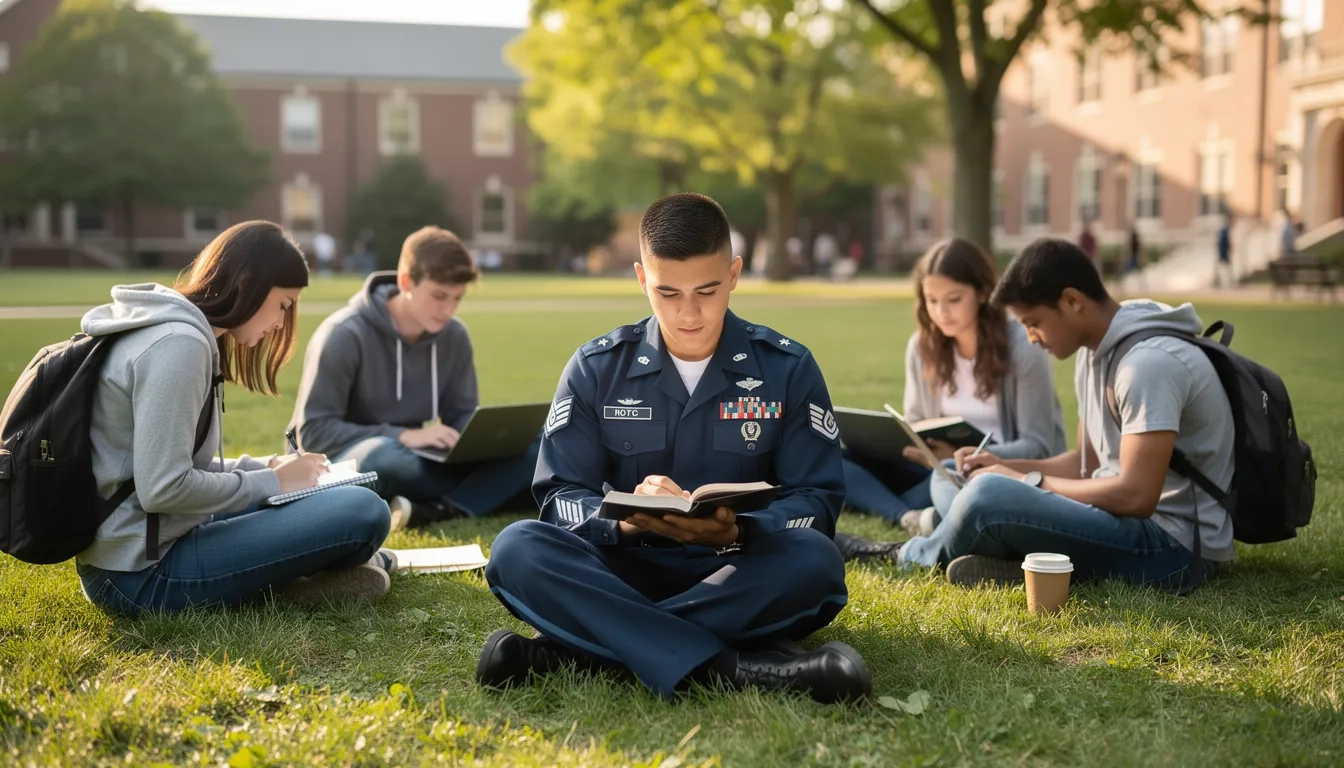
The Commuter Student's Real Guide to Thriving Off Campus
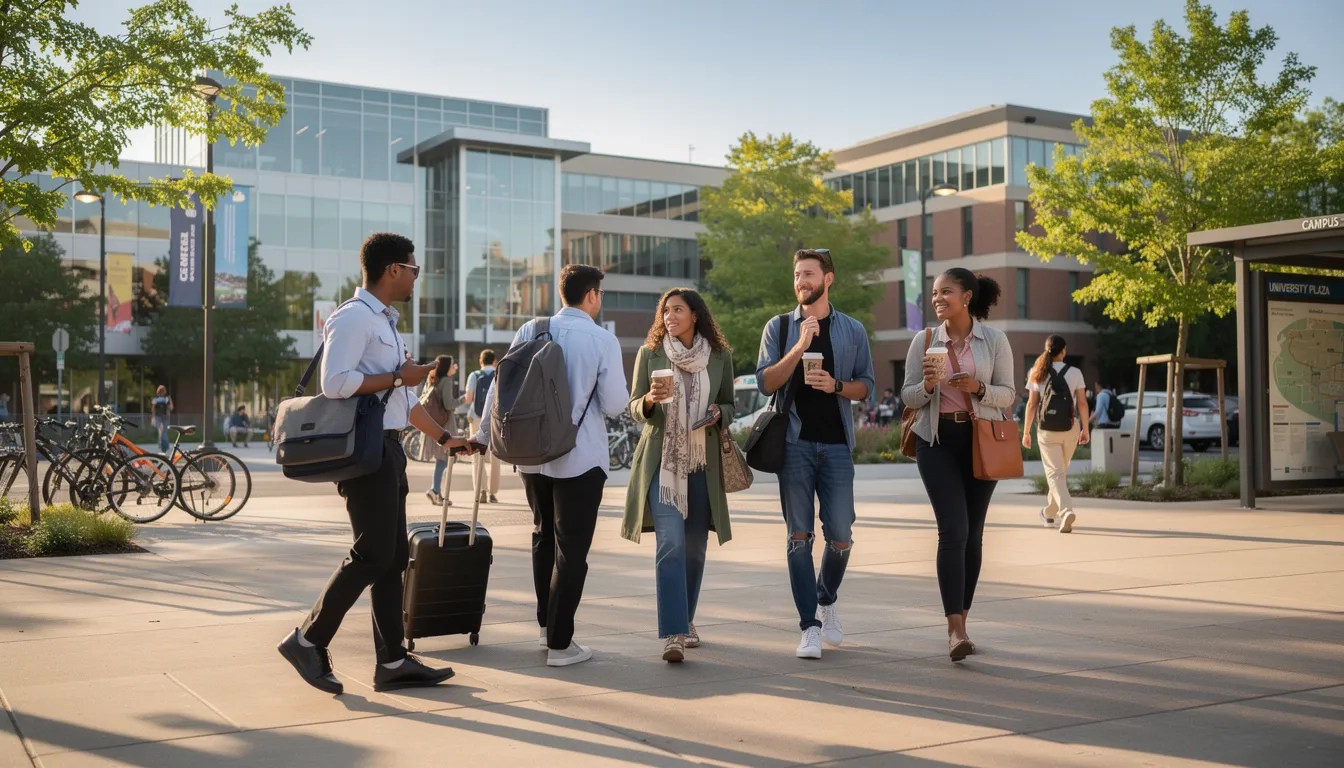
Here's a number most college advice ignores: according to the BestColleges guide to student transportation, 85 percent of college students commute to campus. Not a minority. Not a special case. The clear majority. Yet nearly every standard piece of college wisdom — join clubs, eat in the dining hall, build friendships in the dorms — assumes you sleep there. That assumption shapes everything, from when student organizations schedule their meetings to how faculty set office hours. If you commute, you're playing a different game. This guide is for that game.
You're Already the Norm, Not the Exception
The "invisible majority" problem is how researchers describe commuter students — they make up the bulk of enrollment but rarely set the tone of campus social life. At the University of Colorado Colorado Springs, 88 percent of students live off campus. Most colleges are, structurally, commuter schools that don't market themselves that way.
The stakes are real. A 2024 study published in PubMed Central surveyed 576 undergraduates at an urban public commuter college and found that 58.6 percent screened positive for depression symptoms and 37.8 percent showed generalized anxiety at clinically significant levels. Over 57 percent reported poor sleep quality. Those numbers reflect structural problems, not individual failures. Structural problems have structural solutions.
The first structural reality to accept: campus life wasn't designed for you. That's not a complaint — it's a design constraint. The rest of this guide is about working around it intelligently.
Build Your Schedule Like a Commuter, Not a Resident
Schedule design is the highest-leverage decision you'll make before each semester starts. Most students pick classes based on content and professor ratings. Commuter students need a third filter: travel efficiency.
Clustering classes on two or three days per week rather than spreading them across five cuts commute trips without reducing your credit load. Commuter-focused university guides suggest block scheduling can reduce total commute time by roughly 40-50 percent per week. That's a real number, not an estimate.
A practical framework for registration:
- Cut gaps over 90 minutes unless you have somewhere productive to be on campus (the library, a club meeting, the campus gym)
- Check hybrid and evening sections — many schools schedule these specifically because they know their students commute
- Budget transit buffer time — if your commute takes 30 minutes on a clear day, block 60 in your calendar; trains get delayed, parking fills, life happens
One tradeoff most commuter guides skip: compressed schedules create long on-campus days when you are there. An 8am-to-5pm Tuesday is exhausting, and that exhaustion compounds over a semester. Know what you can sustain before you lock in registration, not after.
Your Commute Time Belongs to You
Transit time doesn't have to disappear. The Census Bureau reported the average one-way commute in the U.S. at 27.6 minutes in 2019. Five days a week, that's nearly five hours of weekly transit. Used well, it changes the math entirely.
Public transit commuters have it best here. Hands free, brain available. You can read. Review notes. Listen to recorded lecture audio on your phone. Many students find that 20 minutes of lecture audio before arriving at class acts as a cognitive warm-up — it reduces the mental drag of switching from "commute mode" to "student mode" when you sit down.
Car commuters work with audio: podcasts, recorded lectures, language apps. The key is treating it as a deliberate ritual rather than passive overhead. That's the one slot in the day nobody else can schedule over you.
Building Real Connections Without a Dorm Room
Here's what the research actually shows about belonging: it comes from repeated contact with the same people over time. Dorms automate that contact. Commuters have to engineer it.
Commuter students are the invisible majority — most of enrollment, least of the social fabric. The fix isn't proximity. It's ownership.
Joining a student organization is the single most effective belonging strategy. The University of Illinois Chicago's Commuter Student Sense of Belonging Report found that students who took leadership roles in organizations reported substantially higher belonging scores than those who only attended events. Showing up once does very little. Taking responsibility for something changes the psychological relationship with campus entirely.
Some moves that actually work:
- Find your school's commuter organization — many universities now have CommuterSocs or off-campus student groups; the University of Manchester's CommuterSoc runs a dedicated event calendar and connects students with others on similar commute routes
- Claim the commuter lounge — Manchester's Booth Street East Building has dedicated lockers, microwaves, and study areas for commuters; most U.S. schools have equivalent spaces that go chronically underused
- Stay 10 minutes after class — the casual conversation in a classroom's final minutes is where a lot of college friendships actually begin
Online connection counts too. Discord servers, WhatsApp study groups, and class forums give commuters access to the social texture of campus without requiring a 45-minute drive on a Wednesday night.
The Real Cost of Getting There
Transportation eats roughly 20 percent of total college living expenses, per BestColleges. That number deserves to be broken down.
| Option | Estimated annual cost | Best for |
|---|---|---|
| Full car ownership (AAA 2024 estimate) | ~$12,297 | Long commutes, no transit alternative |
| Gas + parking permit only | $1,400–$2,200 | Students with a paid-off vehicle |
| Monthly transit pass | $600–$1,800 | Urban campuses, reliable service |
| Bicycle (purchase + maintenance) | $300–$700 | Short distances, mild climate |
| Carpool (split gas + permit) | $500–$900 | Suburban campuses, multiple riders |
The most overlooked money-saver: student transit discounts. Many cities have partnership agreements with universities offering free or reduced transit passes — sometimes bundled quietly into student fees. Check with your student affairs office before buying a parking permit. You may already be covered and not know it.
A clear position: if your campus sits within two miles and the weather cooperates, a used bike (budget around $350 from a local shop) pays for itself within one semester compared to daily parking costs. It also solves the parking problem as a side effect, which is worth something on its own.
Sleep, Movement, and Keeping the Mental Health Floor Intact
Sit with this number from the 2024 PMC study: only 23.3 percent of commuter students met standard physical activity guidelines. The students who did showed significantly lower depression and anxiety, and reported measurably higher happiness scores. That's not a correlation you can afford to brush off.
The obstacle is structural, not motivational. Gym access requires either living near campus or staying late, which conflicts with a long drive home, dinner, or family obligations. Trying harder doesn't fix a structural problem. Redesigning access does.
Three approaches that hold up in practice:
- Schedule campus gym time like a class — block it immediately after your last lecture on days you're already there; don't add separate trips
- Turn your commute into exercise — a 20-minute bike ride each way covers most of your daily activity quota without a separate session
- Walk aggressively on campus — park or get off transit at the far end and walk through; this adds 15-20 minutes of movement on commute days with zero additional schedule cost
Sleep is the other lever. Poor sleep quality correlated directly with worse mental health outcomes across every measure in the same study. For commuters, the culprit is usually early morning departure times forcing early alarms. Guard against 8am classes with the same intensity you'd guard against a bad housing contract.
Using Campus Resources Without Feeling Like a Guest
Commuter students consistently underuse what they've already paid for. Tutoring centers, writing labs, mental health counseling, career services — all bundled into your fees, all underused by students who don't feel like full campus members.
The library is your best commuter asset. Quiet and climate-controlled with fast Wi-Fi and furniture actually designed for long study sessions. Get the 24-hour access card or fob in week one if your school offers it. You'll use it more than you expect.
Virtual office hours are the second bridge. Post-2020, many professors now run Zoom sessions alongside in-person ones. Students who show up — in any format — get stronger recommendation letters, hear about research opportunities before they're publicly announced, and build faculty relationships that pay dividends well past graduation.
The practical move: don't wait until you need something. Visit office hours in week two or three. Introduce yourself. Ask a genuine question about the course material. That 15-minute investment in September can change the entire arc of a semester. Sometimes a whole degree.
Bottom Line
Commuter students don't have an inherent disadvantage. They have a different design constraint — and that constraint has known solutions.
- Cluster your schedule before registration opens, not after; the 40-50 percent commute reduction is real and the best schedules fill fast
- Check your student fees for bundled transit passes before paying for a parking permit
- Join one organization and take on a real role — belonging comes from ownership, not attendance
- Schedule campus gym time on days you're already there to avoid adding separate trips
- Visit professor office hours early in the semester — not when you need a favor, but before you do
The students who thrive off campus aren't the ones who feel least like commuters. They're the ones who stop apologizing for it and start designing around it.
Frequently Asked Questions
Do commuter students graduate at lower rates than residential students?
Research shows commuter students face higher dropout risk, particularly in the first year when disconnection from campus is most acute. The gap narrows significantly for students who join at least one organization with a recurring role. Proximity doesn't predict graduation — engagement does.
How do I make friends when I can't stay for evening events?
Focus on recurring daytime touchpoints: clubs that meet during lunch hours, study groups before afternoon classes, or professor office hours where you'll likely see the same people week after week. Friendships form through repetition, not through the length of any single event.
What should I pack for a full day on campus?
A laptop charger, a portable battery pack (campus outlets fill fast), a reusable water bottle, and a packed lunch. Campus dining is convenient but expensive — eating out five days a week at $12 a meal runs over $2,800 per semester. Commuter lockers, where your school offers them, change the logistics entirely.
Is living on campus worth it for at least freshman year?
For students who can afford it without taking on meaningful extra debt, the evidence on first-year belonging and retention is strong enough to take seriously. For students for whom commuting is a financial necessity, optimizing the commuter experience beats idealizing an alternative that isn't on the table.
How do commuter students avoid the burnout that often hits sophomore year?
Sophomore burnout typically hits when the novelty of college fades but campus connections never formed. The fix is almost always organizational involvement — not just attending, but owning something. Running a meeting, recruiting new members, or organizing a single event shifts the psychological relationship with campus from "place I go" to "place I belong."
Can financial aid cover transportation costs?
Some schools include estimated transportation costs in their official Cost of Attendance (COA), which directly affects your aid eligibility. Contact your financial aid office and ask whether commuter transportation expenses are factored into your COA calculation. The answer varies by institution, but the question takes 10 minutes to ask and can unlock real money.
Sources
- Mental health and lifestyle health behaviors among commuter college students
- Guide to Student Transportation and Commuting
- My advice for navigating uni life as a commuter student
- The Challenges of Commuter College Life: Solutions for Success
- Commuter Student Sense of Belonging Report
- Student Life faces challenges in commuter student engagement