When to Transfer Colleges: The Signs That Actually Matter
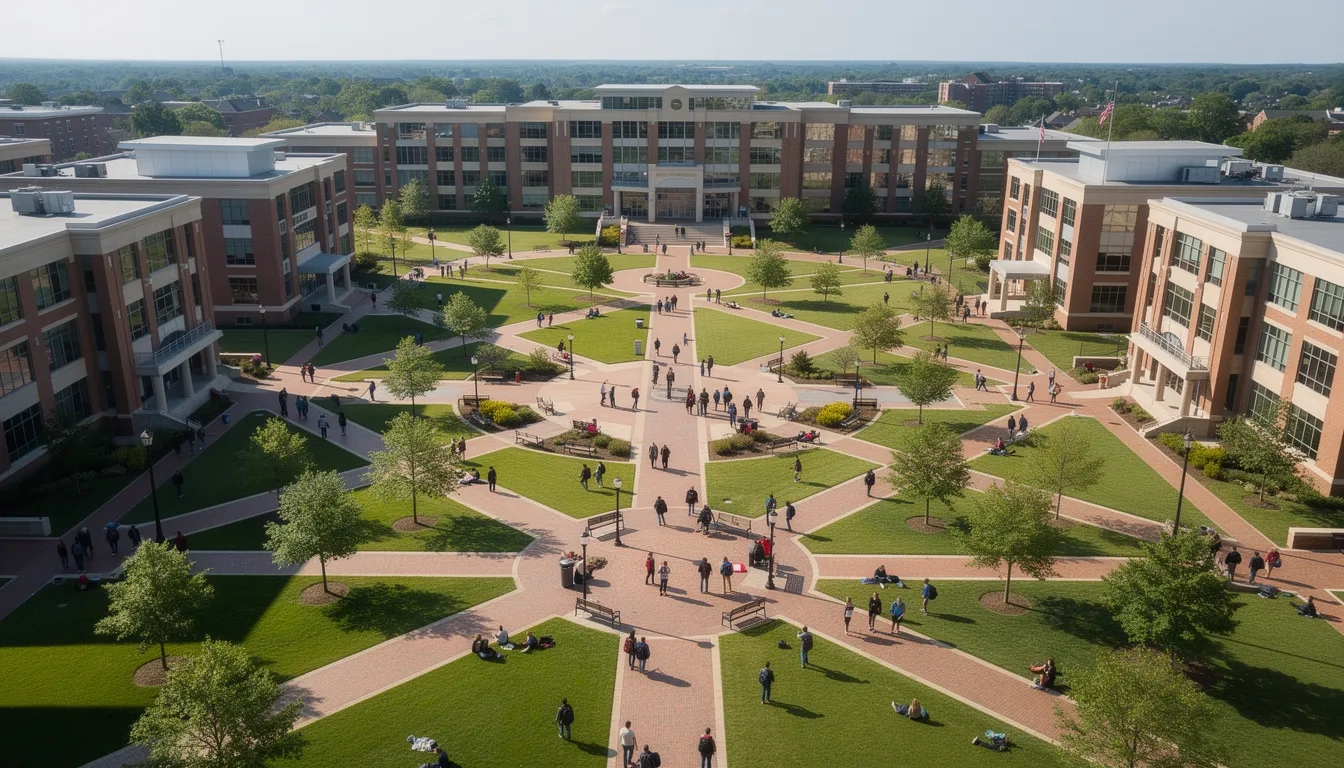
Nearly 1.2 million students transferred to different colleges in fall 2024 — the third straight year of growth, according to the National Student Clearinghouse Research Center. That's 13% of all non-freshmen undergraduates on the move. And yet most students who are genuinely unhappy at their current school spend months telling themselves to "give it more time" before they'll even consider leaving.
That advice is right. Sometimes. The hard part is knowing when "give it time" is wisdom and when it's just procrastination dressed up as resilience.
Transfer Is More Common Than You Think
The two-year-to-four-year path is the dominant pattern. Nearly 500,000 students made that jump in fall 2024 alone. But lateral transfers — four-year to four-year — are growing too, as students who enrolled at the "right" school discover it wasn't quite right after all.
Schools like UCLA and the University of Michigan have invested in dedicated transfer recruitment for a reason. Transfer students often arrive more academically focused and clearer about their goals than 17-year-olds making one of the largest decisions of their lives with limited self-knowledge. That's not a knock on freshmen. It's just reality.
Nearly two-thirds of transfer students changed their major after transferring, per Clearinghouse data. Which means a huge share of them were never in the right academic home to begin with. The first school wasn't wrong because they chose badly — it was wrong because the person who chose it was still figuring out what they wanted.
Transferring isn't retreating. For a lot of students, it's correcting course with better information.
The Signs That Actually Warrant Action
Some reasons to transfer carry real structural weight. These are the ones worth taking seriously:
Your program genuinely doesn't exist here. This catches students in sophomore year more than anywhere else. You enrolled in a broad major to "keep options open," then realized you want something specific — computational linguistics, marine ecology, game design — that your school simply doesn't offer. No amount of creative scheduling closes a program gap.
The financial math has broken down permanently. The College Board's 2023-24 data puts average annual community college tuition at $3,860, compared to $11,260 at a four-year public institution. For students at a four-year school who realize the debt load doesn't align with expected career earnings — or who qualify for significantly better aid elsewhere — that gap matters. Debt accumulated at a school that's wrong for you stings twice as much.
Persistent academic disengagement across multiple semesters is not the same thing as a hard stretch. One difficult semester has identifiable causes. Chronic disengagement that follows you from one term to the next, across different subjects and instructors, is a pattern pointing at fit rather than effort.
The professional infrastructure you need isn't there. Film, fashion, healthcare technology, finance — certain fields have real network gravity at specific schools. This isn't about chasing a name on a sweatshirt. It's about whether your school can put you in front of the right internship supervisors and faculty connections before graduation.
Fixable vs. Structural: The Distinction That Decides Everything
Students almost always overweight situational problems and underweight structural ones. A bad roommate looms large in the moment. An unavailable major feels abstract until it derails your graduation plan.
| Problem | Structural? | Better approach |
|---|---|---|
| Bad roommate | No | Housing office room changes work more often than students think |
| Failing one class | No | Tutoring, office hours, academic support — isolated problem |
| First-semester homesickness | No | Normal adjustment; give it a full academic year |
| Not loving the town | Sometimes | Research campus life depth before deciding |
| Major unavailable | Yes | Won't resolve; explore transfer options now |
| Long-term financial pressure | Yes | Compounds over time; better to act before debt does |
| Social isolation after genuine effort | Yes | Pattern, not adjustment — worth taking seriously |
| Weak career network for your target field | Likely | Research internship placement outcomes first |
The diagnostic question every experienced transfer advisor circles back to: is this an isolated incident, or a pattern across multiple areas of your college life? A pattern — academic, social, and financial pressure all pointing the same direction, semester after semester — is the real signal.
The Social Fit Problem Is Real
Social fit gets dismissed as a "soft" reason to transfer. That's wrong.
Feeling isolated during freshman year is almost universal. Researchers who study college transition are consistent: genuine belonging takes most students at least one full semester to establish. Feeling out of place in October of freshman year tells you almost nothing about long-term fit.
What matters is what happens after you've actually tried. Not "I went to two events." Tried. Joined organizations and showed up for more than one meeting. Initiated conversations. Spent time in common spaces. Been open to friendships outside your natural type. If you've done that through two semesters and still feel like a stranger on your own campus, that's a different signal entirely.
Campus culture runs deeper than the activity fair. A student who needs intensive seminars and intellectual debate will struggle at a 50,000-person research university where most introductory courses meet in 400-seat lecture halls. A student who wants an urban environment and city access will flatten in a remote residential bubble, regardless of that school's ranking. These are not personal failures. They're mismatch problems, and you can't outwork a mismatch through willpower.
USF's admissions office (which processes tens of thousands of transfer applications annually) frames it clearly: the signal that matters isn't discomfort, it's persistent disconnection despite genuine effort. Discomfort is expected at a new school. Persistent disconnection is something else.
When the Financial Math Stops Working
The two-year-to-four-year transfer path cuts total education costs dramatically for students who use it intentionally. That much is well-known. What's less understood is how the financial picture shifts when you transfer later — or when you wait too long.
Most four-year colleges impose residency requirements, typically 30 to 60 credit hours that must be completed at their institution before they'll award a degree. Transfer after three years, and you may need to add a semester or more just to hit that threshold — which cancels out part of the cost savings from leaving.
The Princeton Review is plain about grades: credits earned below a C generally won't transfer. If you're struggling academically and hoping a fresh start at a new school will fix things, you may arrive with fewer usable credits than you assumed.
Transfer students typically receive fewer merit scholarships than incoming freshmen. Before accepting any transfer offer, ask the financial aid office specifically about transfer-designated awards. Some schools set aside real money for this — Arizona State, for example, has dedicated transfer scholarship programs — but you have to ask directly rather than assuming it's in the standard package.
The financial sweet spot for transferring is after roughly 60 credits. Before that, you may not have enough academic history to make a competitive application. After that, residency requirements start creating real complications.
A Framework for Making the Call
Here's a step-by-step process built from consistent transfer counselor guidance:
Complete a full academic year before deciding. One bad semester is not enough data. You need at least two semesters to distinguish "adjusting to college" from "wrong college."
Try to fix the specific problem first. Social isolation: join three campus organizations and give each a genuine month of effort. Financial strain: schedule a meeting with financial aid and ask explicitly about appeals, additional grants, and emergency funding options. Academic disconnection: explore courses outside your major and talk to an advisor about alternative paths. Write down what you tried.
Classify the problem as structural or situational. Structural problems won't resolve with time or attitude adjustment. Situational problems often do. The difference: structural problems are about what your school actually is. Situational problems are about specific circumstances that could change.
Research target schools seriously. Email a department in your prospective major and ask to sit in on a class — most say yes if you ask a week ahead. Look up transfer GPA requirements so you're aiming at realistic targets. Talk to current students, not admissions reps.
Know the timeline. Transfer applications for fall enrollment typically close in March or April; spring enrollment usually closes in October or November. For most students, spring of sophomore year is the right decision window if problems crystallized during freshman year.
What the Transfer Process Actually Looks Like
High school records become almost irrelevant. Transfer admissions runs on your college transcript, your college GPA, and letters from college professors. The Princeton Review's guidance is blunt: earn strong grades before you apply to transfer. This creates an uncomfortable tension — you're unhappy at your current school, but you still have to perform well enough to leave it.
Students who coast through a school they intend to leave and then expect a strong transfer acceptance are typically disappointed. Admissions officers see the same disengaged transcript pattern you've been living.
Before you apply, gather:
- Your college transcript (strong recent grades matter most)
- Letters of recommendation from college faculty, not high school teachers
- A transfer essay making the affirmative case for where you're going, not just away from where you are
- Course-by-course credit verification from the registrar at each target school
That last item is where students most often get surprised. Call the registrar at your target school. Ask which of your specific courses transfer, and at what level. Some schools cap transferable credits at 60 regardless of how many you've earned. Some won't accept credits in your intended major, requiring you to retake them. Get this information before you enroll, not after.
The whole process typically runs 6 to 9 months from firm decision to first day at a new school. Most students start later than they should.
My Take: The "Give It Time" Advice Has an Expiration Date
The standard advice to stick it out, give it a chance, wait for things to improve — it's right for the first year. After that, it can become cover for a decision that's already overdue.
In year one, push through. Nearly every college transition involves a period of confusion and disconnection. Transferring out of that experience before giving it a real try means you're transferring out of a problem that would have resolved.
After year one, trust your pattern recognition. If you've completed a full year, genuinely tried to fix the specific problems, and you're still experiencing the same fundamental issues with your academic fit, social environment, or finances — that's not a signal that you need more time. It's a signal you need a different school.
The students who handle transfers best are clear about what they're moving toward, not just what they're escaping. "I want to study marine biology at an institution with active field research partnerships" is a plan. "I just want out of here" is not.
The writing was on the wall earlier than most students admit. Acting on it sooner isn't impulsive — it's honest.
Bottom Line
- Structural problems won't fix themselves. A missing major, long-term financial unsustainability, and persistent social disconnection after genuine effort are real reasons to transfer. A bad roommate, a hard semester, and first-year homesickness are not.
- Wait at least one full academic year before making the decision. You need enough data to tell the difference between adjustment and mismatch.
- Credit transfer is the biggest practical trap. Get course-by-course confirmation in writing before you enroll at a new school. Residency requirements are real and can affect your graduation timeline.
- The sweet spot for transferring is after about 60 credits. Earlier may not give you a strong enough application. Later creates residency complications.
- Start the process in spring of sophomore year if problems emerged during freshman year. Transfer deadlines for fall enrollment close in March and April — that gives you enough runway to apply carefully.
Frequently Asked Questions
How long should I actually wait before transferring?
At minimum, one full academic year. Most transfer advisors agree that a single semester doesn't give you enough context to distinguish normal adjustment from a genuine mismatch. You need to see how things feel across different seasons, different courses, and different social contexts before making a call. If you're still experiencing the same core problems after a full year, that's meaningful.
Do all my credits transfer when I switch schools?
Not automatically, and this is the detail that surprises students most. Most four-year schools impose residency requirements — typically 30 to 60 credit hours that must be completed at their institution. Credits earned below a C often won't transfer at all. And some schools won't accept major-specific credits, requiring retakes. Before you commit to a transfer, call the registrar at your target school and verify course by course. Don't rely on general estimates.
Is it true transfer students get less financial aid?
Largely, yes. Transfer students typically receive fewer merit scholarships than incoming freshmen at most institutions. That said, some schools — particularly large public universities — set aside specific transfer scholarship programs. Arizona State University is one example. The key is to ask directly; transfer-designated aid rarely shows up automatically in the standard aid package.
Can I transfer with a low GPA?
It depends on the school and how "low" we're talking. Most four-year public universities require a 2.5 minimum GPA for transfer applicants. Selective schools expect 3.5 or above. If your GPA dropped due to circumstances at your current school, a strong upward trend in your most recent semesters can offset earlier struggles. The worst strategy is coasting through a school you're unhappy at and then expecting a strong transfer application.
Does transferring hurt my chances of getting into graduate school?
No, not by itself. Graduate programs evaluate your undergraduate record holistically, and many applicants come from multiple institutions. What matters is your GPA, the quality of your recommendations, and whether your academic trajectory shows focus and growth. A student who transferred and then thrived academically is a stronger applicant than one who stayed put and drifted.
What's the difference between a good reason and a bad reason to transfer?
The clearest distinction is structural vs. situational. Bad reasons tend to be specific and fixable: a difficult professor, a rough semester, a problematic roommate. Good reasons are systemic and won't resolve on their own: an unavailable major, a campus culture that's a genuine mismatch for who you are, financial pressure that compounds with each passing semester. The question to ask yourself is whether the problem is about your school specifically, or about circumstances that could change.
Sources
- College Transfer Enrollment Grew by 4.4% in the Fall of 2024 – National Student Clearinghouse Research Center
- Transfer Acceptance Rates at Four-Year Schools – BestColleges
- Guide to Transferring Colleges – The Princeton Review
- 6 Signs You Should Transfer Colleges – USF Office of Admissions
- Transfer Enrollment Ticked Up 4.4% in the Fall – Higher Ed Dive