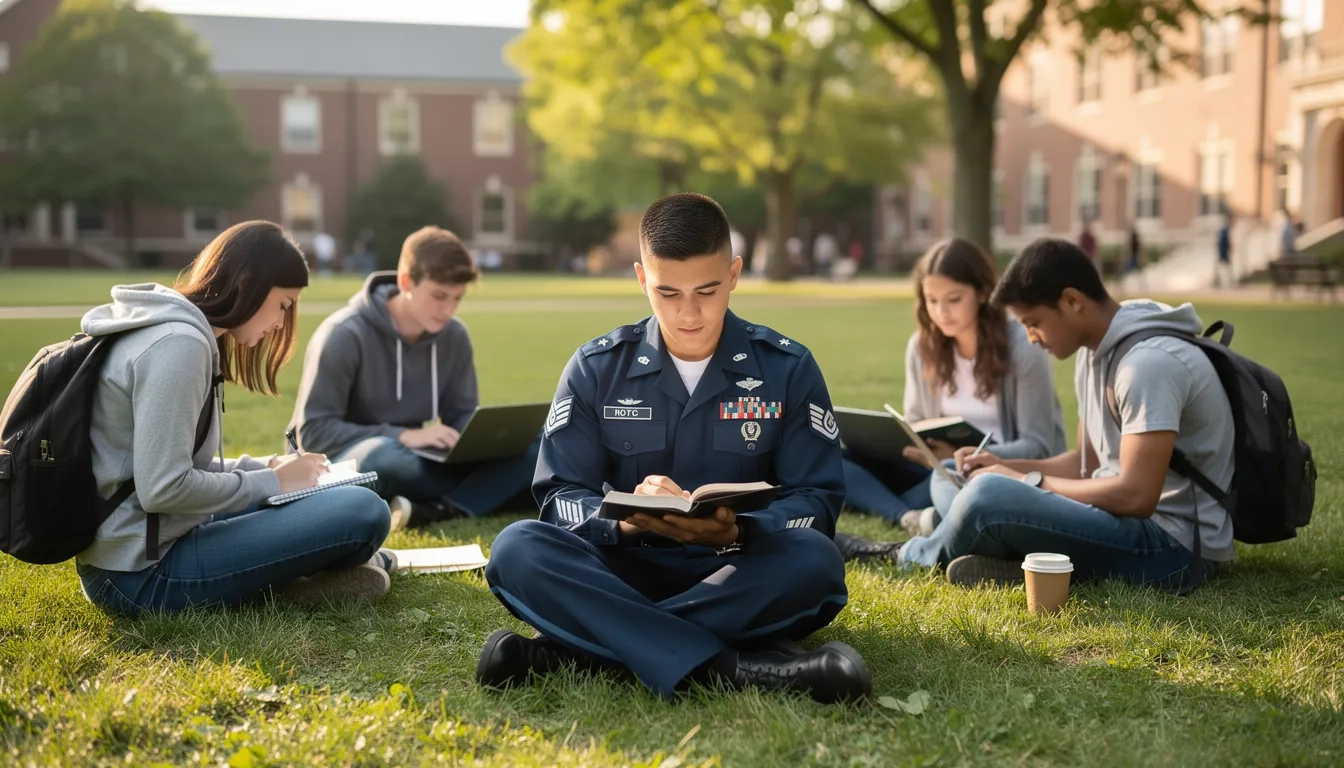
How to Handle Homesickness in College: What Actually Works
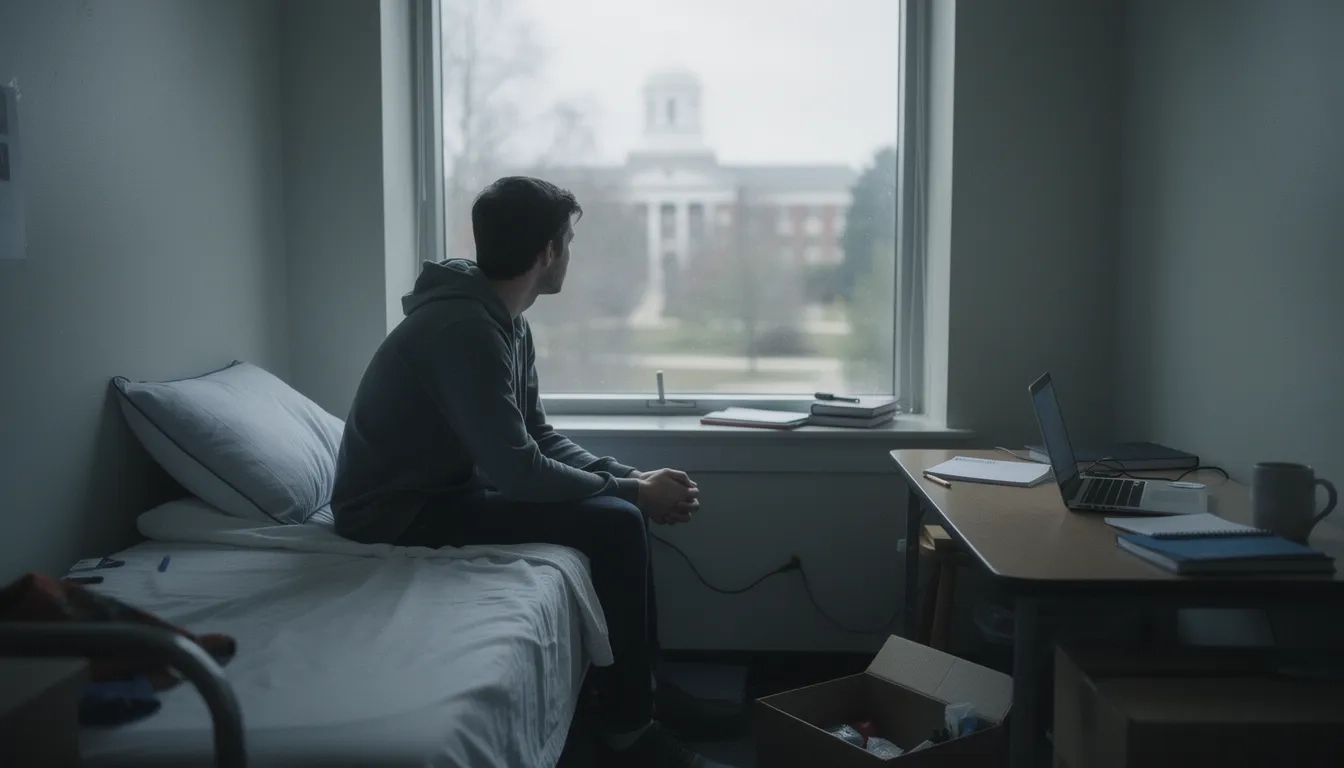
Ninety-four percent of first-year college students experience homesickness during their first ten weeks on campus. Not a small percentage. Not the anxious kids in the corner. Virtually everyone. And yet most students who feel it assume they're the only one — quietly convinced that everyone else moved in, immediately made friends, and never once thought about their dog, their bedroom, or their mom's cooking.
That gap between reality and perception is exactly what makes homesickness harder than it needs to be.
What Homesickness Actually Is (It's Not What You Think)
Homesickness isn't really about home. Psychologists describe it as a grief response — a reaction to the sudden loss of the familiar routines, relationships, and environments that gave you a sense of safety and identity. You're not missing your house. You're missing the version of yourself who knew where everything was and didn't have to try so hard.
That reframing matters because it shifts the goal. You don't need to recreate home. You need to rebuild the sense of predictability and belonging that home represented.
Stephanie Marcello, chief psychologist at Rutgers University Behavioral Health Care, puts it plainly: "Homesickness is not a weakness. It's a natural part of adapting to a big life transition." The students who struggle most aren't the most emotionally fragile — they're often the ones who had strong, loving homes and healthy attachments. A little ironic, but it makes sense: you can only miss something good.
The Homesickness Timeline: What the Research Shows
Here's something nobody puts in the freshman orientation packet: homesickness follows a fairly predictable arc. A longitudinal study published in the NIH's PMC journal tracked first-year students weekly through their first semester and found that homesickness declined by approximately a quarter-point per week on their measurement scale — steady, gradual, and largely inevitable for most students.
The first six weeks are the hardest. After that, the drop-off tends to accelerate as routines settle and new relationships start to feel less forced.
But the variation between students is enormous. Some feel fine by October. Others hit a second wave around spring semester when the novelty of college has worn off but a real sense of belonging hasn't taken hold yet. Knowing that a second wave is possible — and normal — helps you not interpret it as failure.
| Phase | Typical Timeline | What You're Feeling |
|---|---|---|
| Acute onset | Weeks 1–3 | Disorientation, longing for home, social awkwardness |
| Peak adjustment | Weeks 4–8 | Fatigue from constant "trying," occasional isolation |
| Gradual easing | Weeks 9–16 | New routines starting to feel natural, new friendships forming |
| Possible relapse | Spring semester | Homesickness resurfaces as novelty fades |
International students and first-generation college students face the steepest curve. An EdSights survey of approximately 300,000 students across 108 U.S. institutions (fall 2023) found that 18.6% of international students felt homesick often, compared to 7% of male domestic students — a gap that reflects cultural distance, language barriers, and the reality of not being able to drive home for a weekend when you need a reset.
The Grades Paradox
One of the more surprising findings from the NIH longitudinal research: homesickness does not reliably hurt your GPA. Students with high early-semester homesickness performed no worse academically than their peers. In fact, some students whose homesickness resolved the fastest showed slightly lower academic outcomes — probably because they were busy building the social life they'd been missing, which is a fine tradeoff.
Where homesickness does real damage is social integration. Homesick students consistently report lower satisfaction with campus life, fewer close friendships with college peers, and a pattern of redirecting emotional energy toward existing relationships back home rather than building new ones.
Think of it like bandwidth. If 80% of your social and emotional capacity is flowing back toward your high school friends over FaceTime, only 20% is available for the person three doors down who shares your exact sense of humor and doesn't know it yet.
The Trap: Strengthening Old Ties Instead of Building New Ones
This is the real mechanism behind chronic homesickness, and most advice skips over it.
Staying deeply connected to home isn't neutral — it actively slows your adjustment. Not because those relationships aren't worth maintaining, but because the brain takes cues from behavior. If you're spending four hours a night on video calls and group chats with people from your hometown, your nervous system treats your college campus as a temporary inconvenience rather than a place worth investing in.
The students who adjust fastest aren't the ones who cut ties with home. They're the ones who establish clear containers for home contact — maybe a Sunday call with parents, a few texts a day with close friends — and then close the app and look up.
This isn't about loving your family less. It's about protecting the attention your new environment desperately needs from you.
What Actually Helps: Evidence-Based Strategies
The good news: there's real research behind several coping strategies. The bad news: most listicles skip the mechanism, which is why the advice never quite sticks.
1. Establish a physical routine before you try to build a social one.
Homesickness spikes in unstructured time. Your nervous system is already on high alert from novelty overload — add too much ambiguity to your schedule and anxiety fills the gap. Students who anchor their weeks with consistent gym visits, meal times, and study spots report faster adjustment, not because exercise is magic, but because predictability signals safety.
2. Attend one campus event per week. One. Not five.
A lot of advice tells you to "get involved" without specifying what that looks like in week two when you don't know anyone and everything feels forced. One event per week is enough to keep building social exposure without burning out on forced socializing. Southern Utah University implemented a program where resident advisers check in with students daily during the first weeks — and saw measurable improvements in student retention and belonging. You don't need daily contact, but you need regular, low-stakes exposure.
3. Recreate small comforts rather than the whole experience.
Bring something from home that makes your space feel like yours — a blanket, a specific tea, photos. This sounds trivial. It isn't. Research on environmental psychology consistently shows that personalized spaces reduce stress hormones and increase willingness to engage with unfamiliar social situations. Your dorm room doesn't need to feel like home. It just needs to stop feeling like a hotel.
4. Give yourself permission to feel it for about 11 minutes.
Not indefinitely. Not all day. Suppressing homesickness doesn't work — the feelings resurface stronger. But ruminating for hours actively deepens the groove. A structured, brief "feeling window" (journaling, a short cry, calling one person) and then deliberately re-engaging with your physical surroundings tends to interrupt the cycle more effectively than distraction alone.
5. Find one person, not a whole friend group.
The pressure to immediately build a full social circle is counterproductive. One person you genuinely like — a hallmate, a lab partner, someone from your section — is enough to change your experience. Belonging doesn't require a crowd. It requires a single repeated positive interaction that tells your brain this place has something real to offer.
Practical Weekly Framework for the First Month
- Monday/Wednesday/Friday: One structured social touchpoint (class, club, gym buddy)
- Daily: One brief check-in with home (15–20 minutes, then close the app)
- Weekly: One new campus event or space you haven't tried
- As needed: Journal what you're missing and what specifically you could try to find here
The Physical Side You're Probably Ignoring
Homesickness has a body. Most students are surprised to learn this, but the physical symptoms are well-documented: disrupted sleep, appetite changes, headaches, gastrointestinal issues (the gut-brain axis works fast when you're stressed), and a suppressed immune system that makes you more likely to catch whatever's going around the dorms in September.
This matters for two reasons. First, if you feel physically run down in your first weeks, that's probably not a coincidence. Second, improving physical inputs — sleep consistency, regular meals, sunlight — isn't just generic wellness advice here. It's directly treating the physiological stress response that homesickness triggers.
Skipping meals because the dining hall feels lonely, staying up until 2 a.m. on calls home, skipping exercise because motivation is low: these are the behaviors that turn a normal adjustment period into something that drags for months.
When to Take It More Seriously
Homesickness that fades over weeks is normal. Homesickness that intensifies or doesn't budge warrants attention — and that's a meaningful distinction.
Watch for these signs that it's shifted from adjustment to something that needs support:
- Persistent sadness or anxiety lasting more than two weeks
- Inability to attend class regularly
- Significant sleep or appetite disruption that doesn't improve
- Withdrawing from all social contact
- Thoughts of dropping out or transferring driven by distress rather than genuine preference
- Hopelessness about your situation improving
Most universities have free counseling services — and many now offer same-day or next-day crisis appointments. The campus therapist isn't only for students in breakdown. They're also for students who feel stuck, who need a neutral person to think things through with, and who just need confirmation that what they're experiencing is normal before it becomes something harder to unwind.
My honest take: most students wait three to four weeks too long before reaching out. The stigma around counseling is fading, but the instinct to "just push through it" still runs strong — especially among first-generation students who feel they don't have the luxury of being fragile. You do. This is part of what the counseling center exists for.
Bottom Line
- Expect homesickness. 94% of first-year students experience it. The goal isn't to avoid it but to move through it without letting it stall your adjustment.
- Manage your home contact deliberately. Staying glued to your old social world actively slows your ability to build a new one. Schedule calls. Then close the app.
- Start small socially. One person, one event per week, one routine. Belonging doesn't require a big leap — it compounds from small repeated exposures.
- Take the physical symptoms seriously. Sleep, food, and movement aren't bonuses. They're directly treating the stress response underneath the homesickness.
- If symptoms persist beyond two weeks or interfere with daily functioning, talk to someone. Campus counseling exists for exactly this. Don't wait until it gets worse.
Frequently Asked Questions
Is homesickness in college normal, or does it mean I made the wrong choice?
Completely normal — and almost certainly not a sign you picked the wrong school. The NIH research tracking first-year students found 94% experienced homesickness in the first ten weeks, regardless of how well their school fit matched on paper. The feeling is about adjustment, not fit. That said, if you're still feeling this way at month five and genuinely hate everything about your environment (not just miss home), it may be worth a conversation with a counselor about whether the situation needs a bigger change.
How long does homesickness last in college?
For most students, acute symptoms ease substantially by the end of the first semester. Research shows a gradual weekly decline, though some students experience a secondary wave in spring when novelty has faded. If homesickness isn't improving after the first 8–10 weeks, or if it's getting worse rather than better, that's when professional support makes the most sense.
Myth vs. reality: Does calling home frequently help or hurt?
The research is pretty clear here — frequent, unstructured contact with home tends to slow adjustment. It's not that calling home is bad; it's that using home contact as the primary emotional coping tool reduces your motivation to build local support. The students who adjust best keep regular but bounded contact with family while prioritizing in-person social investment on campus.
What should I do in the first 48 hours if I'm already feeling homesick?
Resist the urge to immediately leave or spend the entire weekend calling home. Instead: introduce yourself to two or three people on your floor, find one space on campus that feels comfortable (a library corner, a coffee shop), and give yourself permission to feel weird for a few days without treating it as evidence things won't improve. The first 48 hours are disorienting for nearly everyone — you're measuring your insides against everyone else's outsides.
Can homesickness affect my grades?
Interestingly, the NIH longitudinal study found that homesickness does not reliably hurt academic performance in the way most people expect. Where it causes real problems is social integration — making friends, feeling connected to campus, wanting to stay enrolled. Left unaddressed, those social effects can eventually circle back to affect academics. Treating homesickness matters, just not primarily for the GPA reason most people assume.
When should I actually go visit home during my first semester?
Most college counselors recommend waiting at least three to four weeks before your first visit home, especially if homesickness is strong. Visiting too soon (particularly in the first two weeks) can reset your adjustment progress — your nervous system gets a taste of the familiar and the contrast makes campus feel worse when you return. After week four or five, home visits are generally fine and don't set students back.