How to Shop the Campus Bookstore Without Getting Burned
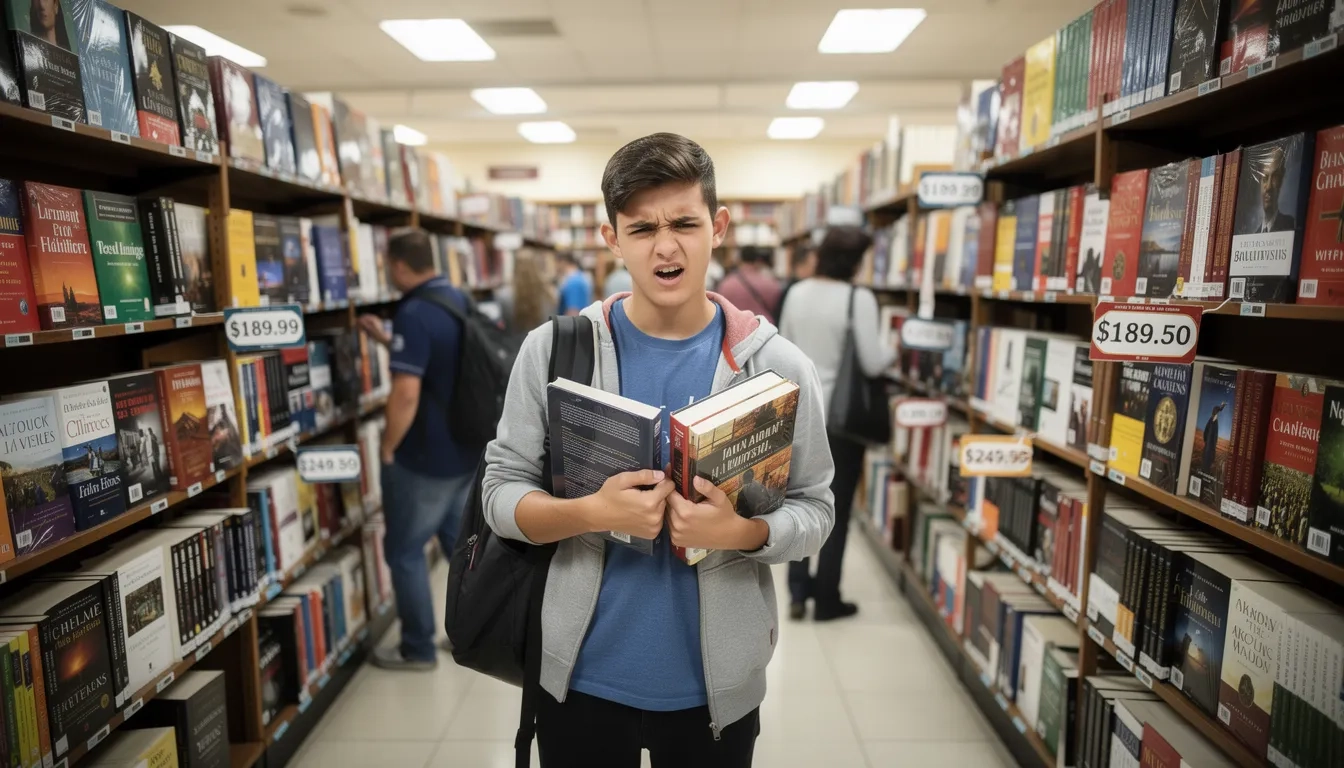
The average college student spends around $1,200 a year on textbooks. Over four years, that's close to $5,000. Most students overspend not because they made a deliberate choice, but because they defaulted to convenience: walk into the campus bookstore, grab what's on the list, swipe the card.
There's a smarter approach. It requires knowing what the bookstore is actually good for, where it quietly overcharges, and how to use a handful of free tools that most freshmen don't discover until junior year, if ever.
What the Bookstore Doesn't Want You to Think About
The campus bookstore is a retail store. It has overhead, publishing contracts, and revenue goals. New textbook prices are typically set at publisher list price, which can land anywhere from $180 to $320 for intro-level science or business courses.
The bookstore's pricing model depends on students not comparison shopping. Most students are time-pressured in the first week of classes. They default to the path of least resistance. The bookstore is physically on campus, it carries exactly the right edition, and the financial aid card works there. That's a powerful combination of convenience that has nothing to do with price.
But the answer isn't to avoid the campus store entirely. For some students, in some situations, it's genuinely the right call. The goal is knowing when.
Before You Shop Anywhere
The single biggest mistake students make is buying textbooks before the semester begins. Professors list five books and end up requiring two. Some assign a $160 textbook for a single chapter (which the professor then posts as a scanned PDF in the course portal anyway). Buy too early and you've paid for someone's syllabus draft.
Wait until the first class meeting before committing to any purchase. Sit through the first session, listen to what the professor actually emphasizes, and then buy. You won't fall behind — most courses don't assign readings until week two, and most professors understand the first few days are chaotic.
When you're ready to shop, collect these three things before opening any browser:
- The exact 13-digit ISBN for each book (not just title and author — editions share names but have completely different page numbering)
- Whether your professor has said older editions are acceptable
- Whether any required texts are available through your campus library's reserve system
Those three data points can eliminate $200 in unnecessary purchases before you've touched a checkout button.
The Buy vs. Rent vs. Digital Decision
This is where students get it wrong — not by making a bad choice, but by applying one rule to every book. The right answer depends on the course, your learning style, and what you'll do with the book afterward.
Rent for gen-ed requirements. Buy used for courses in your major. The intro sociology textbook you'll never open again is a rental. The biochemistry reference you'll use through grad school is worth owning.
Here's a practical breakdown:
| Scenario | Best Option | Key Tradeoff |
|---|---|---|
| Gen-ed / elective outside your major | Rent | Low long-term value; recover nothing if you miss the buyback window |
| Core course in your major | Buy used | Annotate freely; potential resale if timed right |
| Book used for 1–2 chapters only | Library reserve or digital | Paying $200 for two chapters is a losing bet |
| Course with heavy annotation needs | Buy used | Most rental agreements prohibit writing in the book |
| Book available via OpenStax | Free | No decision needed — open-access peer-reviewed texts cover dozens of intro courses |
Renting saves 60–80% compared to buying new. But that calculation shifts if you buy used and resell at the right moment. More on that timing in a moment.
When the Campus Bookstore Is Actually Your Best Option
Here's the part that most "avoid the bookstore" advice glosses over: financial aid changes the entire math.
If your aid package includes a bookstore credit, or if your school applies funds directly to your student account, that money is almost always tied to the campus bookstore vendor. You typically cannot use it on Amazon, Chegg, or AbeBooks. Students who comparison-shop externally often pay out of pocket for a cheaper book while their campus account credit sits unused and eventually expires. That's not saving money. That's leaving money on the table.
The workaround some students use: purchase externally with a personal credit card, keep the receipt, then submit for reimbursement from your aid balance. Some schools allow this; many don't. Check with your financial aid office before assuming. If reimbursement isn't allowed, the campus bookstore price, after factoring in aid, might actually be cheaper than a supposedly better deal online.
The bookstore has a few other real advantages worth knowing:
- Guaranteed buyback programs: Some campus stores lock in a minimum buyback price at the time of purchase. If the book is guaranteed at $35 back, factor that into your net cost calculation before deciding.
- Convenience when time is short: When a professor announces the class starts the textbook on day three, the campus store is your only same-day option. Waiting on shipping at that point is a gamble.
- Frictionless returns: Campus bookstores typically allow returns within the first two weeks of the semester with no questions asked. Return policies from online sellers range from generous to essentially non-existent.
Price Comparison Tools Most Students Don't Use
Once you have your ISBNs, checking external prices takes about four minutes per book. Here are the tools worth bookmarking before your first semester:
SlugBooks searches major rental and used-book platforms side by side. Enter the ISBN, get a comparison from Chegg, Amazon, AbeBooks, and others in one view. It takes about 30 seconds per title.
DirectTextbook has reportedly helped over 35 million students save more than $200 million on textbooks since 2002. That's a function of aggregating prices from hundreds of sellers in a single search, surfacing deals that no single marketplace would show you.
BigWords includes digital editions in its comparison, which is useful when you're weighing a physical rental against a semester-long e-book license.
A five-step workflow before any purchase:
- Pull ISBNs from the course registration portal
- Run each ISBN through SlugBooks or DirectTextbook
- Note the cheapest physical option and the cheapest digital option
- Check your campus bookstore's rental and used price for the same edition
- Factor in financial aid restrictions before making a final call
That check, done before opening the bookstore app, typically surfaces savings of $40 to $100 per book. For a five-course semester, that adds up fast.
The Edition Trap and the Bundle Scam
Publishers release new textbook editions every three to four years. Not because the content changed substantially. Because new editions break the used-book market — they make prior copies worthless for resale and difficult for students to use when course assignments reference specific page numbers.
For most courses, the previous edition works fine. Chemistry fundamentals don't change semester to semester. The causes of World War I haven't been revised. Ask your professor directly: does the difference between the 11th and 12th edition actually affect your ability to do the coursework? Most will tell you it's one reshuffled chapter and updated problem numbering.
The one real exception: courses tied to digital homework platforms like Pearson's MyLab or McGraw-Hill Connect. These platforms bind access codes to specific editions. If your professor requires MyLab, you may need the current edition. But in that case, buy only the access code directly from the publisher's site (often $35–45 cheaper than the bundled version at the campus store) and find the physical textbook separately as a rental or used copy.
Watch out for bundled packages at the campus bookstore. A $295 bundle containing a textbook, lab manual, and access code sounds efficient. It's priced that way deliberately. Buy each component separately. The lab manual from a student who took the course last year, the access code from the publisher's site, the textbook rented used. You'll consistently pay less than you would for the bundle.
The Buyback Timing Game
Selling your books back is where students either recover a meaningful chunk of their costs or lose it entirely by waiting too long.
Campus bookstore buyback prices fall sharply once the semester ends. A book worth $47 in the first week of finals can drop to $11 three weeks later, after the store has filled its used-inventory needs for the next term. The window is real and the drop is steep.
The highest buyback prices happen during finals. That's when the store still needs copies. After that window, your best options shift to Amazon Marketplace, Facebook campus groups, or BookScouter, a free tool that compares buyback offers from more than 30 vendors simultaneously, so you're not guessing which site will give you the best return.
One thing most students overlook: if you bought from the campus store and the course runs again next semester, the store may have quoted you a guaranteed buyback price at purchase. That transparency is worth folding into your original comparison. A book that costs $8 more at the campus store but comes with a guaranteed $32 buyback is often the better financial choice than a slightly cheaper version from an Amazon third-party seller with no guaranteed return value.
The timing of your buyback matters as much as where you sell. Plan for it in week 13 of the semester, not during move-out.
Bottom Line
- Don't buy before the first class. Confirm what's actually used before spending anything. This single step eliminates the most common, most expensive mistake.
- Check financial aid restrictions first. If your aid is tied to the campus bookstore, external "savings" may not actually save you anything. Know your situation before you shop.
- Run every ISBN through SlugBooks or DirectTextbook before buying anywhere. Four minutes of comparison can save $80 per book.
- Rent gen-ed books, buy used for major courses. Apply the rule to each book individually, not to your entire course load.
- Sell back during finals week, not after. The pricing difference between week 14 and the week after graduation is the difference between recovering real money and getting almost nothing.
The campus bookstore isn't the enemy. Blind shopping is.
Frequently Asked Questions
Can I use financial aid to buy textbooks from Amazon or Chegg?
Usually not directly. Most financial aid credits and bookstore vouchers are restricted to your campus bookstore's vendor system. Some schools allow reimbursement if you purchase externally and submit receipts, but this varies by institution. Check with your financial aid office before assuming you can redirect those funds.
Is renting textbooks always cheaper than buying?
Renting is almost always cheaper upfront, but not always cheaper overall. If you buy a used textbook and sell it back during finals week at a good price, your net cost can actually beat a rental. The calculus depends on timing and whether you can sell the book yourself rather than through the campus buyback kiosk.
Do older textbook editions actually work for class?
For the majority of courses — especially in humanities, social sciences, and most gen-ed requirements — yes. The core material doesn't change between editions. The risk is in courses that use digital homework platforms tied to a specific edition, or in rapidly evolving fields like nursing or tax law where regulatory updates matter. Ask your professor explicitly before buying an older edition.
What is the best free tool for comparing textbook prices?
SlugBooks and DirectTextbook are both free and compare prices across multiple platforms in a single search. Enter the ISBN and you'll see new, used, rental, and digital options side by side. BigWords is worth using if you specifically want to compare digital editions. All three take under a minute per book.
Is the campus bookstore ever the cheapest option?
Yes, when financial aid is involved. If your bookstore credit can only be applied on-campus, and you can't get reimbursed for external purchases, the "expensive" campus bookstore price becomes your actual out-of-pocket cost of zero. The bookstore is also competitive when it offers guaranteed buyback pricing — factor in the net cost, not just the sticker price.
What's the biggest mistake students make when selling textbooks back?
Waiting too long. Most students try to sell books during move-out week, which is two to three weeks after the campus buyback window has closed. At that point, the bookstore is oversupplied and offers near-nothing. The same book that fetches $40 during finals week might bring $8 in mid-December. Set a reminder for the last two weeks of the semester, not the last two days.
Sources
- How to Save Money on College Textbooks in 2026 | BookToCash
- Is Renting Textbooks a Good Idea? Buying vs. Renting Compared | BookScouter
- How to Save Money on Textbooks and Supplies | STLCC
- How to Compare Textbook Prices Effectively | Student Money Map
- SlugBooks — Compare Textbook Prices
- DirectTextbook — Textbook Price Comparison