Best Colleges in Alaska 2026: Your Complete Guide to Every Top School
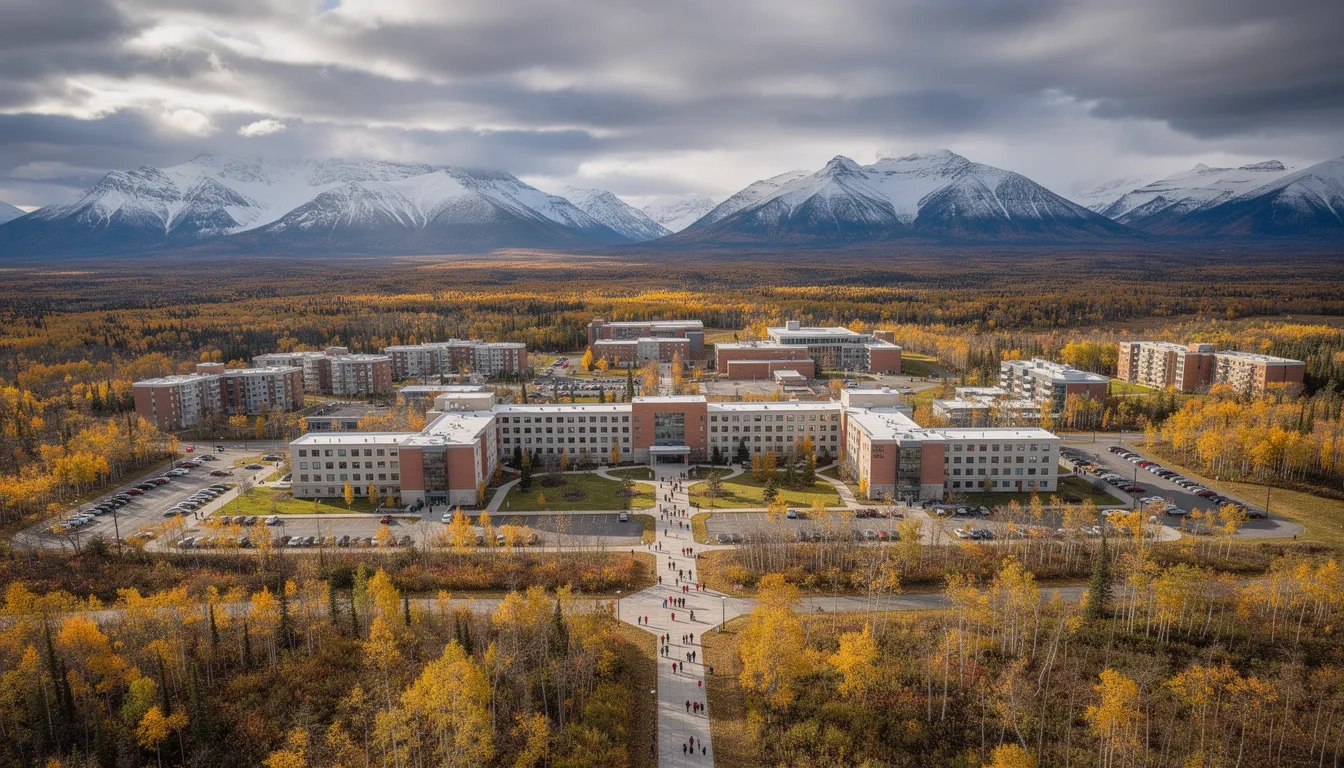
The entire state of Alaska has just 10 accredited colleges and universities serving around 15,064 students — fewer than many single campuses in the Lower 48. That number sounds limiting until you realize the schools that do exist are built around one of the most research-rich environments on Earth. Where else do marine biology students go out on boats into the actual Bering Sea, or engineers learn to design structures rated to negative 40°F?
This guide covers every institution worth considering, with real data on costs, rankings, and program strength — so you can make the decision that fits your goals, not just the one with the highest Niche grade.
Why Alaska? The Real Case for Heading North
The pitch for Alaska colleges isn't the campus social scene. It's field access. Alaska's geography functions as a living research laboratory — active volcanoes, permafrost plains, coastal fisheries, and Arctic Ocean data that scientists in warmer states can only study remotely.
Average in-state tuition across the University of Alaska system runs $10,976 per year, below the national public university average. Out-of-state students from 15 western states can apply for the Western Undergraduate Exchange (WUE) program, which caps tuition at 150% of in-state rates. That makes Alaska competitive on price for students who'd otherwise be paying full out-of-state rates somewhere in California or Oregon.
The average acceptance rate across Alaska's colleges is 75.8%. Getting in usually isn't the hard part. Choosing the right fit is.
University of Alaska Fairbanks: Alaska's Research Powerhouse
UAF is Alaska's only National University according to U.S. News & World Report's 2026 rankings, sitting at #395–434 nationally. On paper, that mid-tier national rank looks modest. In practice, the school punches well above its weight in research output.
Faculty at UAF have published more Arctic research than any other university in the world. The International Arctic Research Center (IARC), founded in 1999 through a formal U.S.-Japan research partnership, is based here. The IARC released its 2025 Annual Report documenting ongoing Arctic Ocean climate modeling work — the kind of data infrastructure most universities don't have access to at all. The Geophysical Institute next door has been tracking Alaska's seismic and volcanic activity since 1949.
Times Higher Education named UAF one of the World's Best Small Universities in 2024. Small is the operative word: undergraduate enrollment is just 2,495 students, which produces a 10:1 student-to-faculty ratio. In research science and engineering, that ratio means you can actually get into a faculty lab by sophomore year rather than waiting for a senior thesis slot.
| Metric | UAF |
|---|---|
| US News Ranking | #395–434 National Universities |
| Acceptance Rate | 65% |
| Undergrad Enrollment | 2,495 |
| Student-Faculty Ratio | 10:1 |
| SAT Range | 1110–1360 |
| Average Net Price | $11,278/yr |
Top programs: Arctic biology, geophysics, fisheries oceanography, climate science, engineering, Indigenous studies, northern studies.
One thing applicants consistently underestimate: Fairbanks is genuinely dark in winter. In December, the city gets roughly 3 hours and 42 minutes of daylight per day. Students who thrive there tend to describe winter as something they leaned into — aurora watching, dog mushing, winter camping. Students who leave usually saw it coming and ignored the warning signs. Know yourself before you commit.
University of Alaska Anchorage: Urban Access, Career Pipelines
UAA is the state's largest campus, with 4,211 undergraduates and a location in Alaska's only real city. Anchorage sits at around 300,000 residents — small by national standards, but large enough for an actual job market, internship ecosystem, and coffee shops that close after dark.
U.S. News ranks UAA #72 among Regional Universities West and #38 among top public schools in that category for 2026. That's a legitimate regional ranking for a school most applicants outside the Pacific Northwest have never heard of.
Where UAA wins is program breadth and employer ties. Nursing graduates sit for NCLEX at strong pass rates. The Justice Department (UAA's criminal justice and law enforcement program) places graduates directly into Alaska state agency positions. Business, education, and social work programs all have regional employer pipelines that smaller campuses simply can't match.
The 12:1 student-to-faculty ratio is reasonable, though class sizes in general education courses can run 30–40 students. UAA's urban location means more off-campus distractions (which, for some students, is the whole appeal). The campus itself is suburban rather than the isolated forest-clearing feel of UAF.
Strong programs: Nursing, business administration, criminal justice, education, engineering technology, social work.
For students who need to stay close to employment while finishing a degree — common in Alaska, where many students work full-time — UAA's evening scheduling and workforce-aligned programs make practical sense that UAF, with its more traditional residential model, doesn't quite replicate.
University of Alaska Southeast: Small Classes, Capital Access
UAS splits itself across three Panhandle campuses in Juneau, Sitka, and Ketchikan. The geography is nothing like Interior or Southcentral Alaska — Southeast is temperate rainforest, fjords, and over 60 inches of rain per year rather than minus-60 cold. The Juneau campus sits on Auke Bay with a direct sightline to the Mendenhall Glacier.
U.S. News places UAS at #105–115 in Regional Universities West for 2026, with a 67% acceptance rate and an average net price of $13,931. And starting Fall 2026, UAS announced it will offer in-state tuition to all undergraduate students regardless of residency — a policy shift that could meaningfully change its applicant pool.
UAS's Juneau location puts students inside Alaska's state government hub in a way no other campus can. Legislative internships, state agency jobs, and policy roles in natural resources and fisheries are accessible from campus in ways that don't exist in Fairbanks or Anchorage.
Core strengths: Marine biology, teacher education, Alaska Native languages, business and public administration, environmental studies.
Class sizes at UAS are genuinely small — many upper-division courses run 10–20 students. Professors know your name early. For students who want a public university experience that feels like a liberal arts college, UAS delivers it at in-state tuition prices.
Alaska Pacific University: The Private Option
APU is easy to overlook, and that's a mistake for the right type of student. It's the only private, not-for-profit four-year institution in the state, with just 593 enrolled students total. The campus sits in midtown Anchorage on grounds that used to house a hospital complex, surrounded by trails and wetlands.
Tuition is $20,760 per year — the sticker price is higher than any UA campus. But 86% of students receive grant or scholarship aid, with an average package of $11,233, which brings the real cost for most students significantly closer to UA system pricing.
The 7:1 student-to-faculty ratio is the best in Alaska. For students who want close mentorship, small seminars, and a campus culture where the library isn't crowded, that ratio matters more than any ranking.
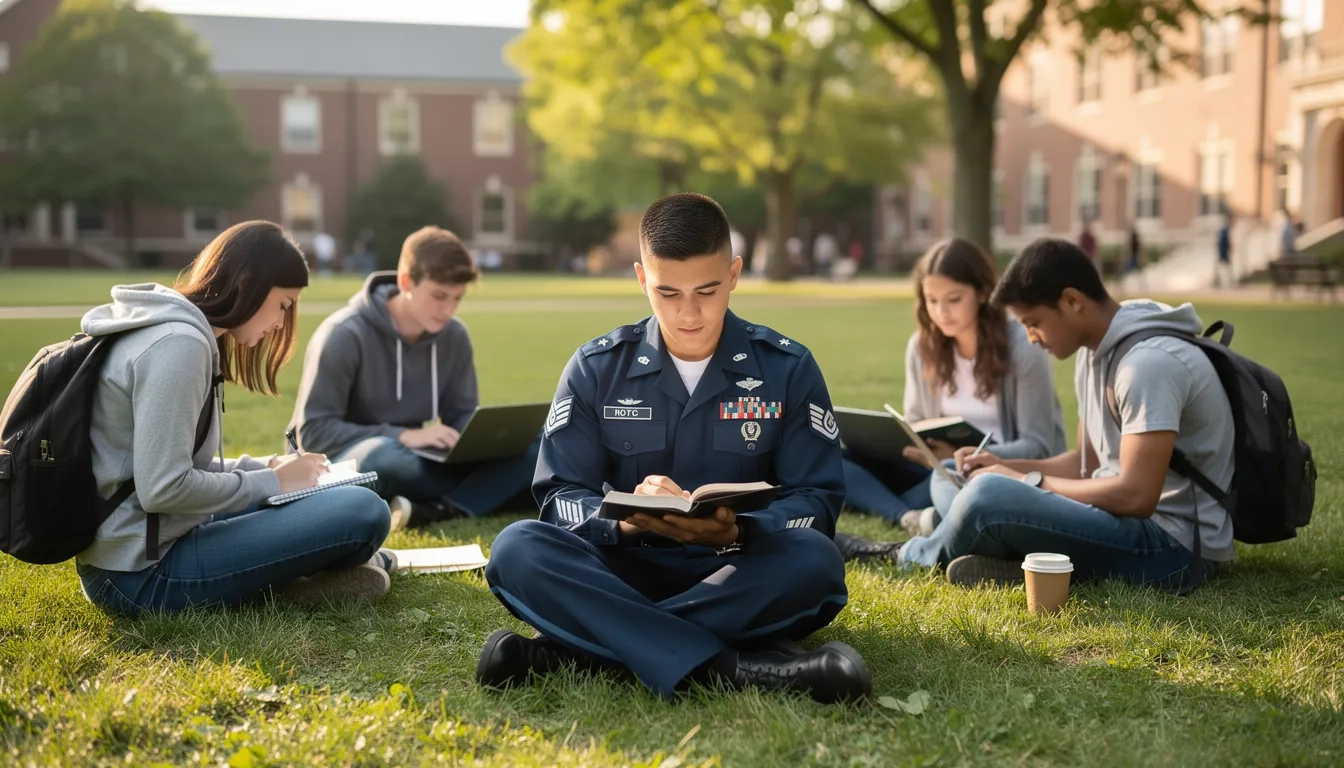
APU's outdoor and environmental education program is genuinely unusual nationally — one of the few accredited degree tracks that prepares students for careers in wilderness therapy, expeditionary education, and outdoor leadership. People who want that career path come here specifically. Health professions, psychology, and business round out the offerings. The school also maintains an Air Force ROTC program (one of the few ROTC options in the state).
The honest downside: with 593 students, extracurricular variety is thin, and the 47% graduation rate suggests a significant portion of students don't finish. Ask hard questions about student support services before committing.
Ilisagvik College: The Northernmost Campus in the US
No Alaska college list is complete without Ilisagvik College in Utqiagvik (formerly Barrow), sitting at 71°N latitude on the North Slope. It's the northernmost accredited college in the United States and Alaska's only tribal college.
Ilisagvik serves the Iñupiaq community through certificate and associate programs in trades, healthcare, business, and Iñupiaq language and cultural studies. It's not competing for the same applicants as UAF or UAA — its mission is community-specific. But for students from North Slope communities, or anyone focused on Indigenous education and Arctic community development, it offers something no other institution in the country replicates.
How to Choose: A Practical Decision Framework
The choice between these schools isn't mainly about prestige. It's about matching your goals to what each school actually does well.
- Want hands-on research experience as an undergrad? UAF. The 10:1 ratio and concentration of research institutes means motivated students can get into a faculty lab by sophomore year. Arctic science, geophysics, climate, fisheries — start here.
- Want career-ready programs and an urban job market? UAA. Nursing, business, education, and criminal justice all have strong in-state employer pipelines. Anchorage gives you internship access no other campus can.
- Want small classes and proximity to state government? UAS, especially after the Fall 2026 tuition change. Juneau puts you inside Alaska's policy orbit in a tangible way.
- Want a private college experience with specialized programs? APU, specifically for outdoor education, health professions, or psychology. Go in with eyes open on the graduation rate.
| School | Best For | Avg Net Price | US News 2026 |
|---|---|---|---|
| UAF | Arctic research, science, engineering | $11,278 | #395–434 National |
| UAA | Nursing, business, urban access | ~$11,000 | #72 Regional West |
| UAS | Small classes, SE Alaska, government | $13,931 | #105–115 Regional West |
| APU | Private experience, outdoor ed, health | ~$9K after aid | Unranked |
| Ilisagvik | Indigenous community, trades | Tribal grants | N/A |
My honest take: UAF is the standout in this group, and not just because of a US News label. The research infrastructure, faculty publishing records, and depth in science and engineering represent a different tier from the other options. If you're a serious student weighing UAF against a mid-tier out-of-state school at twice the cost, UAF is almost always the better call.
Bottom Line
- UAF first if research and science are your goals — the IARC, Geophysical Institute, and 10:1 faculty ratio make it genuinely competitive with schools ranked far higher nationally.
- UAA for breadth and career pipelines — nursing, business, and criminal justice graduates from UAA have strong regional placement rates and benefit from Anchorage's job market.
- Watch the UAS tuition change — the Fall 2026 shift to universal in-state tuition makes it worth a second look for out-of-state applicants who want small classes and a unique location.
- Always compare net price, not sticker price. Alaska's in-state average is already below the national norm, and most students qualify for some aid.
- WUE-eligible students should run the numbers. If you're from a participating western state, the cost gap between Alaska and your state school may be smaller than you think.
Frequently Asked Questions
Is the University of Alaska Fairbanks a good school academically?
Yes, particularly for science and research students. UAF holds the distinction of being Alaska's only National University per US News 2026 rankings, and Times Higher Education named it among the World's Best Small Universities in 2024. Its Arctic research infrastructure rivals programs at schools ranked significantly higher nationally.
How does Alaska compare to other states on college affordability?
Alaska's average in-state tuition across the University of Alaska system is $10,976 per year, which sits below the national average for four-year public universities. The WUE program extends discounted tuition to residents of 15 western states, making Alaska schools competitive in price for a broad pool of applicants.
Is it true UAS is offering free in-state tuition starting 2026?
Not quite free, but close. UAS announced it will extend in-state tuition rates to all undergraduate students regardless of where they're from starting Fall 2026. That's a meaningful price cut for out-of-state applicants who would otherwise pay nearly double.
What's the easiest college to get into in Alaska?
Alaska Pacific University accepts about 96% of applicants, making it effectively open enrollment among four-year institutions. Among the University of Alaska campuses, UAA and UAS both accept around 67% of applicants, while UAF is slightly more selective at 65%.
What programs are uniquely available in Alaska that you can't find elsewhere?
UAF's Arctic Northern Studies curriculum integrates Arctic policy, Indigenous studies, and Arctic ecology into a single degree — genuinely one of a kind. The IARC at UAF provides undergrad research access to climate data sets that don't exist at any lower-latitude institution. Ilisagvik's Iñupiaq language and cultural studies programs also have no real equivalent in the continental United States.
Should I be worried about Alaska's isolation affecting my college experience?
Depends entirely on your personality. Students who came expecting a traditional college social scene and didn't research what they were getting into often struggle. Students who came specifically for outdoor access, smaller campuses, or research opportunities tend to thrive. The isolation is real — Fairbanks in particular is a significant commitment — but for the students Alaska is actually designed for, it's less a drawback than the main attraction.